Retrofitting for the Future: Structural Design Services for Existing Buildings
Every historic edifice has much history underlying it. It is challenging to live without them now; they reflect the past very well. Old structures, however, are sometimes impediments to development and have to be changed to satisfy modern needs whenever a town grows or safety standards get harsher. This is when the structural design services come in to help. The process of retrofitting allows engineers to make old buildings stronger, safer, and more durable, while at the same time preserving their original beauty.
In this blog, we will go through the whole process of how structural design services upgrade existing buildings, what are the steps involved, and what are the simple techniques used to make the old structures safe for the future generations.
Introduction: The challenges and opportunities of renovating old structures
The first thought most of us have when considering restoring an ancient edifice is about the interior such as painting, flooring, or new furniture. However the most significant labor occurs beyond the walls. Old buildings often present several difficulties:
- weak basis
- Cracked walls
- Rust-colored steel
- Older construction approaches
- No features for wind-resistance or earthquake
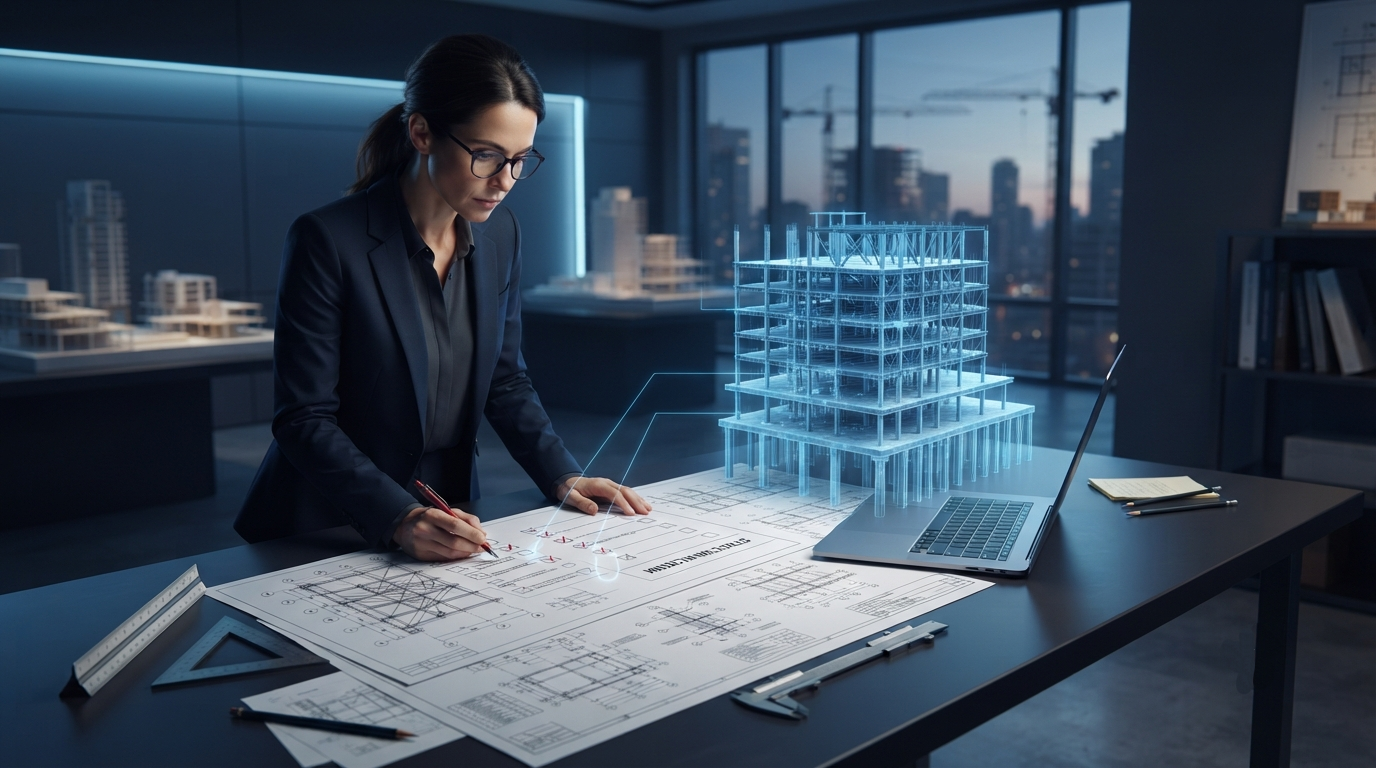
This is where structural design services become crucial. Engineers thoroughly examine the structure and develop a strategy to increase its strength and safety. Experts employ structural drafting tools as well, which are precise schematics demonstrating the implementation of every component of the repair or refurbishment.
Retrofitting enables ancient structures a second life instead of being knocked down. It increases comfort and safety while simultaneously preserving history.
Structural Audits: Assessing the health of an existing building
Before retrofitting begins, the building must be checked thoroughly. This check is called a structural audit.
structural examiners:
- Look at beams, columns, and foundations.
- Watch for moisture damage, rust, or cracks.
- See if the edifice adheres to current safety codes.
- Detecting areas for fortification.
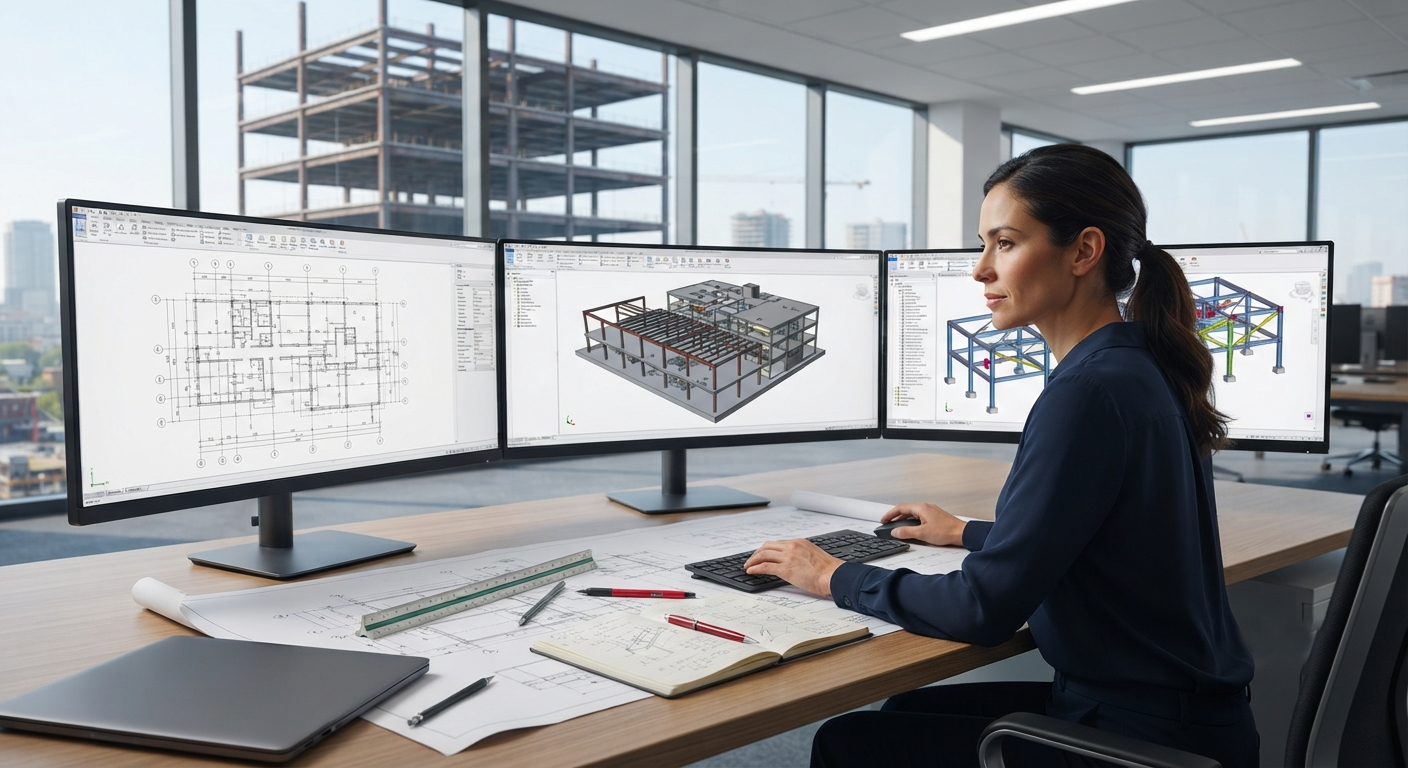
Modern tools including structural 3D modeling which produces a digital representation of the building are used by engineers during the audit. Experts may see with this model how the structure responds under load, how powerful each component is, and what areas need to be enhanced.
The outcome of the audit helps to direct the following stage of structural design services, therefore guaranteeing all choices are founded on correct information.

Strengthening Techniques: Carbon fiber reinforcement, steel bracing, and more
Engineers select the best strengthening approaches once the flaws are discovered. Some frequent retrofitting techniques include:
- Polymer Carbon Fiber Reinforced (CFRP): Attached to walls or beams, these are thin, sturdy sheets. They give strength without increasing weight. Engineers employ structural design services to determine where CFRP will provide best strength.
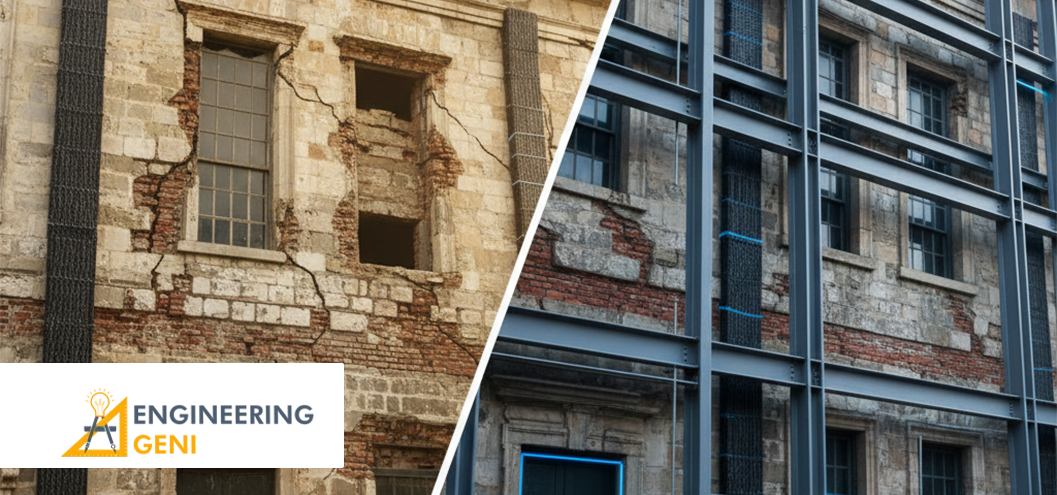
- Steel Support: Steel braces are installed inside or outside the structure to help shield it against strong winds and earthquakes. They help the frame remain strong during rapid movements.
- Jacketing: Using steel or concrete jackets, this technique elevates the column or beam’s thickness. Load-bearing ability is much enhanced.
- Basic underpinning : Engineers build stronger support from below if the base is unstable.
Professionals employ structural CAD drafting solutions for all of these approaches to create thorough technical plans. These drawings include precise measurements and directions that employees can easily follow.
Modern retrofitting solutions are designed through structural design services to keep buildings safe without changing their original style or charm.
Case Study: A historical building brought up to modern standards
Imagine a library 100 years old right in the middle of a city. The construction is fragile, the windows are vintage, the walls are lovely. The city wants to preserve this historical site and guarantee it is still fit for human use.
Step 1: Structural Audit
Engineers give their body a full check-up. They note that the roof is sagging, the foundations need reinforcement, and the beams are antiquated.
Step 2: Organizing with Structural Design Services
An entire strengthening program is developed. Engineers choose to employ:
- Steel bracing to assure earthquake protection
- Carbon fiber beams sheets
- Fresh foundation fosters
Step 3: Structural Shop Drawings
To direct employees, accurate structural shop plans are made. Every nut, bolt, and link that has to be put in is included in these sketches.
Step 4: Rework
The work is accomplished step by step without compromising the historical plan.
Result:
The library outside seems to be the same, but inside it is now robust, safe, and prepared for the following 100 years. This is the power of structural design services: safeguarding the past while looking forward.
Conclusion: Preserving the past while building for the future
Retrofitting involves not only the repairing of aged buildings, but also the honoring of history, the elevating of safety, and the taking up of the responsibility of the coming generations. Modern engineering tools and structural design services can restore the very old buildings to be not only safe but also functional.
The structural 2D drafting is essential in planning every detail of the project. When the drafting is combined with auditing, modeling, and strengthening techniques, retrofitting eventually becomes a profitable investment for real estate owners.
With the support of skilled engineers and high-tech structural design services, we can preserve our structures, lower the maintenance expense, and additionally, everyone can have a safe future.
FAQs:
Q: What are structural design services?
Ans: Structural design services are the ones that include the analysis and design of a building to make sure it is absolutely strong, safe, and at the same time meets the requirements of modern codes. They are necessary for both new constructions and for retrofitting of old buildings.
Q: Why is retrofitting considered to be important for the old buildings?
Ans: Retrofitting makes the buildings safer, extends their life span, and gives them a modern quality without losing their original character.
Q: Which tools are engineers’ use in the retrofitting process?
Ans: Engineers use structural audits, structural drafting services, structural 3D modeling, structural CAD drafting services, and structural shop drawings for accurately planning the work.
Q: Can retrofitting restore a shaky structure safely?
Ans: Indeed. Techniques like carbon fiber reinforcement, steel bracing, and base bolstering can significantly increase a building’s safety with the right architectural design services.
Q: Is restoring less expensive than rebuilding?
Ans: Yes most of the time. In contrast to building a new structure, retrofitting saves the existing building and lowers labor and material costs.