High-Fidelity Renders: Why Quality Matters in Architectural Visualization
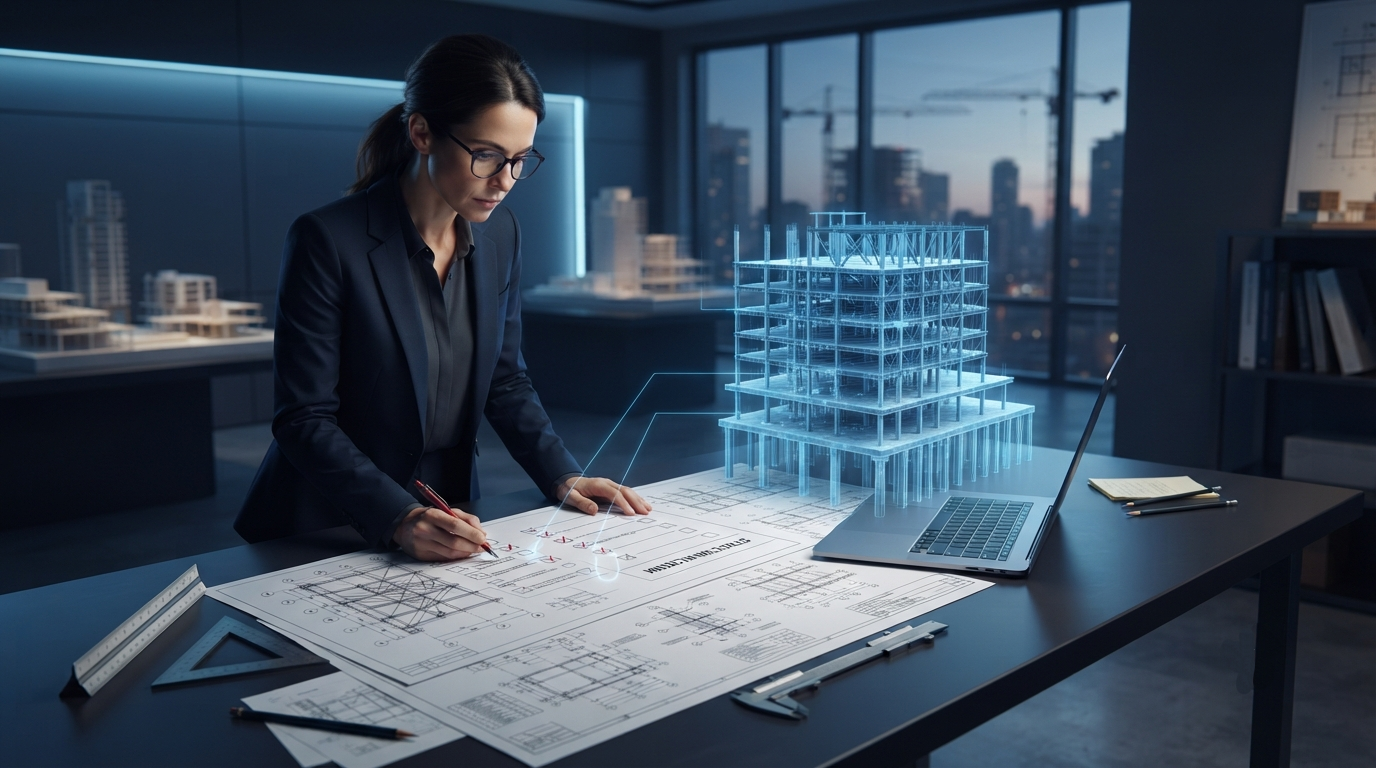
For every architectural designer, high-fidelity renders have become quite an effective tool. These accurate and complex images enable customers to plainly view a project long before building starts. Given that people want accuracy and clarity nowadays, the caliber of a render may make or break a concept. A professional and realistic design inspires confidence, which propels initiatives forward.
This blog will examine the return on investment, the tools specialists use, the reasons excellent rendering is important, what constitutes a superb render, and how a good rendering plan aids your general design objectives. Let’s start now.
Introduction: The difference between a simple rendering and a photorealistic masterpiece
Not every rendering is the same. A fundamental render only shows colors and forms. However, a design comes to life via a high-fidelity render. Showing shadows, reflections, illumination, materials, and mood, it appears to be a real picture.
Showing customers a realistic perspective helps an architectural designer providing architectural design services to create confidence. A client may picture himself within the room when he views a photorealistic masterpiece in place of a basic drawing. They not only see the design but also experience it.
This psychological link is precisely why great rendering is absolutely essential.
The Elements of a Great Render: Lighting, texture, and context
A great render is not created by accident. It requires skill, experience, and understanding of key elements:
- Lighting: The atmosphere is governed by illumination. It can create a room’s atmosphere warm, chilly, dramatic, or calm. Skilled architectural drafters use artificial and natural lighting to emphasize the greatest aspects of a design.
- Texture: Texture gives surfaces a real feeling. Wood should resemble wood. Stone should look like stone. Depending on their fabric, textiles should seem smooth, gritty, or soft. Even the most creative design will appear flat without the right texture.
- Context: The setting around the edifice is referred to as context. This covers the architectural scene, trees, sky, environs, even people. Context clarifies the scope, ambiance, and location of the project for customers.
An architectural designer can offer a whole vision that inspires enthusiasm when these components converge.
ROI of High-Quality Renders: How they help sell a project
Many people question if they should buy premium rendering. Yes because the return on investment (ROI) is significant.
Clients make faster decisions thanks to a high-fidelity render. It clarifies matters. It prevents unneeded amendments. Good graphics also help to guarantee approvals from regulatory agencies and investors.
By utilizing great architectural drafting services with excellent renderings, an architectural designer improves project success possibilities. Customers believe what they can plainly perceive.
In short: Better visuals = More sales + Fewer problems.
Tools of the Trade: A look at the software used by professionals
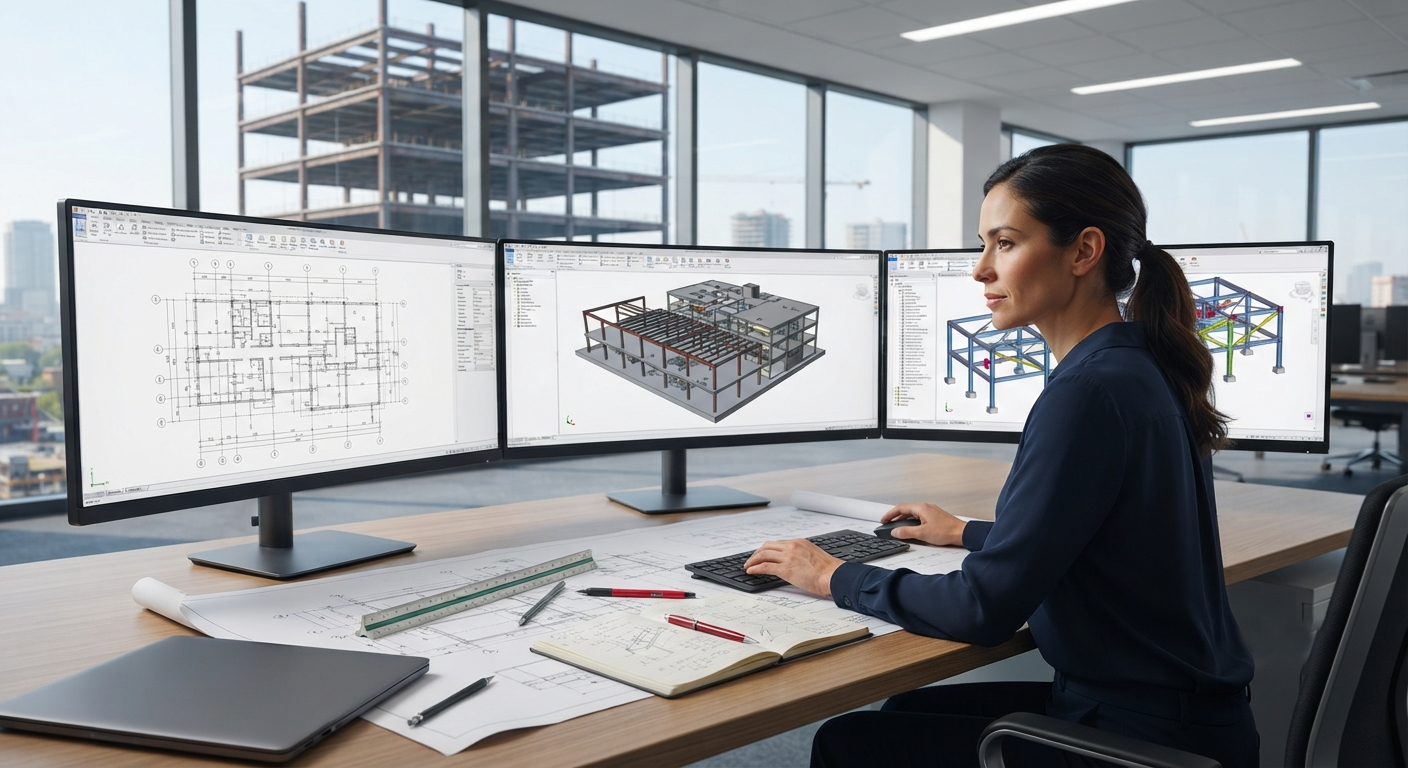
Making photorealistic renders calls for strong tools; professional architectural 3D modeling services employ sophisticated programs including:
- Revit
- 3ds Max
- Lumion
- Blending machine
- SketchUp
- V-Ray
- Unreal Engine
These resources let an architectural designer construct precise 3D models, modify materials, incorporate lights, and generate images that seem like real photographs.
Using a professional program guarantees accuracy, thus it is quite important. Clients should see precisely what they will get when construction ends.
Your trusted partner for high-fidelity renders in the USA
Engineering Geni is one of the trusted and your best bet if you seek a rendering company that blends speed, technology, and quality. Using cutting-edge tools and methods, their skilled architectural design team transforms concepts into real-world visuals.
Engineering offers:
- Expert 3D representations
- photorealistic representations
- Inner and outer visualization
- Planning and thorough support
- Rapid delivery and American-standard quality
They enable companies, architects, contractors, and builders to show their designs in the most spectacular manner possible.
Bring your ideas to life with Engineering Geni. Contact us today to get high-quality renders that make your project shine.
Conclusion: Your vision deserves to be seen in the best light
Your design is a concept, not just dimensions and lines. And that vision ought to be exhibited as perfectly as possible. Before construction, high-fidelity rendering enables consumers to grasp and value your design. Choosing an experienced architectural designer with contemporary technologies will help you to complete your project whether you require excellent visualization, drafting, or 2D architectural drawing services. Good rendering is a wise financial choice rather than just a cosmetic improvement.
FAQs:
Q: Why is high-fidelity rendering so critical for customers?
Ans: Because they enable customers to clearly see the design. They enable decision-making by seeing real textures, illumination, and details.
Q: What program do experts use to produce accurate renders?
Ans: Professional architectural designers most frequently employ V-Ray, Lumion, Revit, SketchUp, Blender, and Unreal Engine among other tools.
Q: Does superior rendering contribute to the selling of a project?
Ans: Yes, good visuals help customers trust the design, cut revisions, and speed up approvals.
Q: Can high-fidelity renders show the surroundings too?
Ans: Yes, context like architectural landscape elements can be added to show the complete environment.
Q: Do I need both 2D and 3D drawings for a project?
Ans: Yes. 2D architectural drawing services show technical details, while 3D renders show the final look. Together, they provide full clarity.