Photorealistic Excellence – Achieving Ultra-Realistic Results with Professional 3DS Max Rendering
Looking at a structure image, have you ever questioned, “Is this computer-generated or actual?” That is the strength of 3DS max rendering. Clients today desire more than only technical drawings or floor layouts. They are curious to see the future. They would want to picture entering a room before it even existed. Professional 3DS max rendering enables just that.
Realistic 3D representations assist to convert concepts into something people may really comprehend, from opulent homes to big commercial structures. Let’s look at how it works and why it is so important in the cutthroat U.S. market of today.
What Is 3DS Max Rendering, Really?
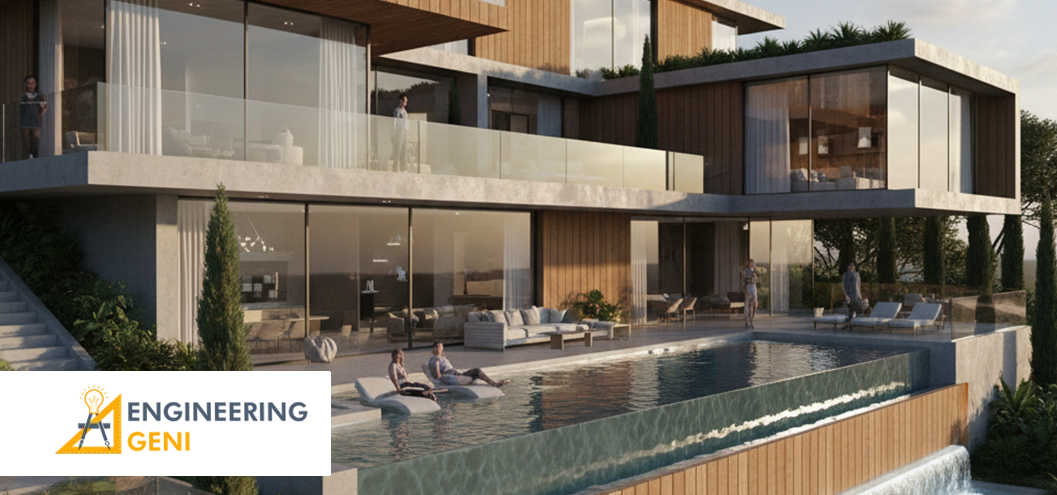
3DS max rendering is the conversion of a digital 3D model into a realistic picture. Initially, designers construct the framework three dimensionally. Then they incorporate textures, lighting, reflections, shadows, and little details. At last, the program processes all of this and creates an image that seems nearly identical to a genuine snapshot. It’s not just about looking “nice.” It’s about making it seem real.
Three 3DS max rendering can reveal: if done right
- Morning sunlight enters a room through what way?
- The way glass bounces surrounding structures
- How soft shadows fall under furnishings
- How textures like marble or wood really appear
That degree of realism alters everything.
Why Realism Makes Such a Big Difference
Consider attempting to sell a house still in the works. Buyers will not be thrilled by a flat drawing. But an image that is natural? That sets off feelings.
Expert 3DS max rendering improves:
- Real estate developers pre-sell homes
- Architects present concepts with clarity
- Projects inspire investors’ confidence
- Customers agree to designs faster
People’s trust in the initiative increases as they may clearly see the area.
What Makes 3DS Max Rendering Look So Real?
Creating photorealistic visuals is not just clicking a button. There is real skill behind it.
1. Attention to Small Details
Truth resides in the specifics.
High-quality 3DS max rendering calls for artists to painstakingly calibrate:
- Textures on surfaces
- Degree of reflection
- Orientation of light
- Shadow softness
Small alterations may separate “computer-looking” and “photo-real.”
2. Lighting That Feels Natural
Lighting is everything.
The image seems phone if lighting is either too flat or too brilliant. Professional 3DS max rendering employs sophisticated lighting arrangements that simulate real-world light behavior. The sunlight is warm. Indoor illumination produces gentle glows. Reflections go naturally. Depth and realism come from this.
3. Real-World Materials
Wood should not resemble plastic. Glass should appear vibrant. Experienced artists using 3DS Max rendering depend on high-quality material libraries. They examine the behavior of actual materials then incorporate those characteristics to the 3D model. Result: Realistic looking surfaces.
4. Strong Composition
Angles are important just like in photography.
Good 3DS max rendering is not chance-based. To emphasize important aspects, camera angles are thoughtfully selected. The goal is to gently lead the eye of the spectator. A good perspective may make a modest space into something spectacular.
Where 3DS Max Rendering Is Used
The demand for 3DS max rendering continues to grow across industries in the United States.
- Residential Projects: Realistic photographs improve opulent houses, flats, and residential developments tremendously.
- Commercial Development: Renderings are used by hotels, business buildings, and shopping malls to promote themselves and investors.
- Industrial Projects: Renderings help warehouses and production facilities organize designs before building.
- Interior Designs: To present customers how furniture, lighting, and materials will appear together, interior designers use 3DS max rendering.
Realistic images boost confidence regardless of project scale.
The Risk of Low-Quality Rendering
Not all renderings are equal, let us admit.
Often found with bad 3DS max rendering are:
- Unbelievable shadows
- Materials with the appearance of plastic
- bad illumination
- Dormant or flat areas
Bad graphics may harm your brand instead of assisting. That is why consulting with experts helps.
Why Investing in Professional Rendering Pays Off
One would think rendering is only for show. It gives even more, though.
Professional 3DS max rendering aids:
- Minimize expensive design blunders
- Enhance client communication
- Speed approvals
- Improve advertising strategies
- Lure investors
Clear, realistic images inspire confidence in clients going ahead. That trust speeds decisions.
Final Thoughts
Visuals are not negotiable in the quick design scene of today. Expert 3DS max rendering transforms fantasy into something humans can see and experience. It gives customers the confidence to make choices and clarifies projects.
Should you wish visuals that really stand out, not just ordinary ones, it’s time to collaborate with professionals.
Contact Engineering Geni today for professional 3DS max rendering services and bring your vision to life with stunning, photorealistic detail.
FAQs
Q: What 3DS max rendering is employed?
Ans: Three dimes max Before they are constructed, rendering helps to produce lifelike pictures of furniture, buildings, and products.
Q: Are 3DS max rendering only for major projects?
Ans: Not at all. Small domestic designs as well as major commercial ones can benefit from it.
Q: How long does professional 3DS max rendering last?
Ans: While experts try to produce top-notch results inside agreed-upon deadlines, the project scale and degree of detail influence this.
Q: Could 3DS max rendering increase property sales?
Ans: Indeed. Buyers may relate emotionally with a property thanks to realistic images.
Q: Why should I hire experts instead of doing it myself?
Ans: Professionals ensure accurate lighting, materials, and composition that create truly photorealistic results.