Rendering vs. Reality: The Science of Creating Photorealistic Images with Architectural Rendering
You might wonder if this is a drawing or a photograph when you come across a lovely picture of a building appearing practically real. That enchantment results from architectural rendering.
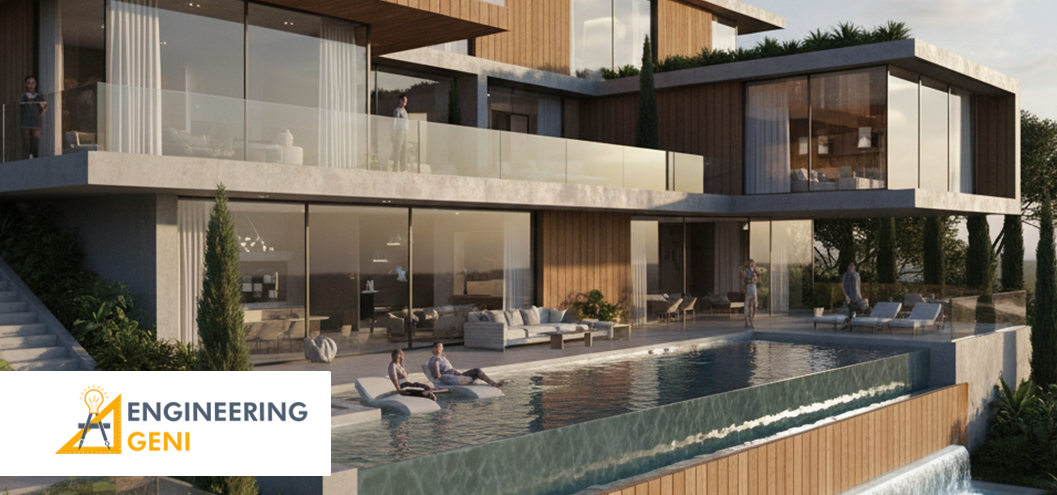
Architectural rendering lets consumers, builders, and architects see a project before it is erected right now. It might be hard to tell between reality and rendering because these photos are so realistic.
We will discuss in the following blog how architectural rendering operates, the software behind it, typical errors, and how experts generate lifelike and realistic images.
Introduction: The Tools and Techniques Behind Stunning Architectural Visuals
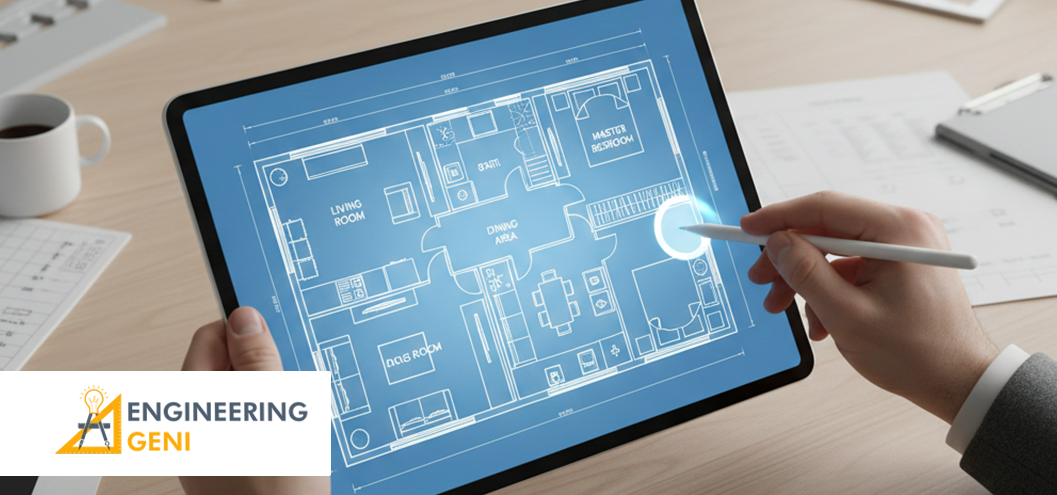
The conversion of drawings or 3D models into realistic pictures is architectural rendering. These images reveal how a building would seem after completion.
Professional rendering businesses use:
- Program for 3D modeling
- Realistic lighting configurations in actual contexts
- Excellent textures
- angles of cameras comparable to photography
Architectural rendering aims to portray how one feels to be within or outside of a structure rather than just to present one.
This is the reason why current rendering seems so near to reality.
Lighting and Material Studies: The Keys to Realism
Among the most crucial elements of architectural rendering is lighting. Just as in the actual world, light affects how shadows, hues, and textures appear.
Experts that provide rendered services investigate:
- Sun position and time of day
- Inside and outside illuminations
- Reflecting on depth of shadow
Materials are also very important. Wood, glass, metal, and concrete all respond differently to light.
A powerful architectural rendering reveals:
- Soft shadows over walls
- Natural glass reflections
- Authentic textures on floors and ceiling
A render might seem flat or phony without suitable materials and illumination.
Post-Production Magic: The Final Touches That Make a Render Pop
Even when the primary render is finished, the labor keeps on. Pictures really come to life in post-production.
Post-production is employed by professional architectural rendering companies to:
- Change brightness and contrast
- Improve colours.
- Include realistic people, plants, and skies.
- Sharpen depth and sharpness.
Like a real picture, this step gives architectural rendering services a warm, welcoming, and natural feel. Little things such as reflections in windows or gentle shadows under furniture radically alter things.
Common Mistakes in Rendering: Why Some Images Look Flat or Fake
Not every rendering seems natural. Certain typical errors can give architectural rendering a forced aspect.
Errors often found in poor architectural 3D rendering services include:
- Bad lighting without any natural shadows
- Flat textures without any depth
- Incorrect scale of object
- Too vivid or lackluster colors
The picture loses confidence when these mistakes occur. Following actual-world physics and design principles, high-quality architectural rendering helps to prevent these problems.
Why Architectural Rendering Looks So Real Today
Technological advancement has been quite extensive. Advanced software copying actual behavior is employed in modern architectural representation.
Today’s rendering programs may create:
- How light reflects off of surfaces
- Materials absorb or reflect light
- How daytime shadows vary
This knowledge explains why architectural rendering now serves:
- Presentations by clients
- Marketing for real estate
- Approval of designs
- Commercial and residential ventures
How Professionals Match Rendering with Reality
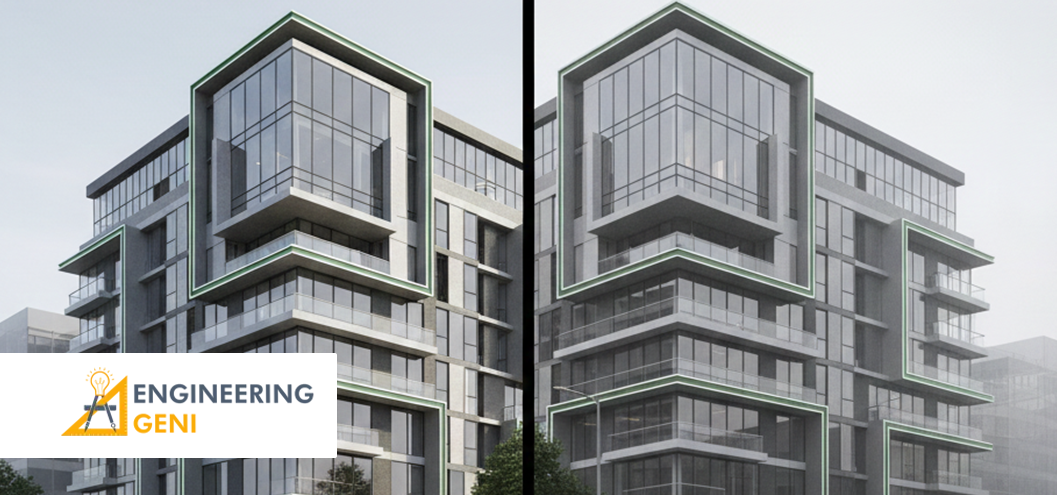
Experts look at actual images, structures, and surroundings to ensure their architectural rendering corresponds with reality.
They concentrate on:
- Exact measurements
- Right photographic perspectives
- organic components
Good architectural representation is not about exaggeration. It’s about honesty showing the project just as it will be constructed.
Why Businesses Choose Architectural Rendering
Companies choose architectural rendering because it saves time and money.
Advantages include:
- Less architectural errors
- Open dialogue with customers
- Quicker Approvals
- More powerful marketing graphics
Architectural rendering assists everyone grasp the design be it for a house, office, or business site before building begins.
It’s time to invest in premium architectural rendering if our designs need to seem realistic, emotional, and professional.
Engineering Geni‘s clear, realistic graphics help your ideas grab attention, wow customers, and confidently push initiatives ahead.
Conclusion: The Illusion of Reality, Perfected.
The boundary between realism and rendering is slimmer now than it has ever been. Architectural rendering can seem just like a genuine image with the correct tools, ability, and experience.
Every stage counts, from lighting and materials to post-production and accuracy. Professional commercial 3d rendering services companies therefore pay attention to elements others neglect.
Proper architectural rendering brings fantasy to life, builds trust, and tells a tale, therefore doing far more than just displaying a structure.
FAQs:
Q: What justifies the significance of architectural rendering in building projects?
Ans: Everyone can clearly grasp the design thanks to architectural rendering. By presenting the finished appearance before construction begins, it lowers ambiguity, prevents errors, and saves money and time.
Q: How realistic are modern architectural rendering images?
Ans: Modern architectural rendering can look almost precisely like real photographs. Advanced post-production, materials, and lighting make it sometimes impossible to distinguish a real picture from a render.
Q: How do architectural rendering and 3D modeling vary?
Ans: 3D modeling builds a structure; architectural renderings then adds realism and lifelike appearance via colors, textures, illumination, and details.